913 South College Road, Suite 108, Lafayette, LA 70503


At the office of Erin A. Fontenot, DDS, we blend precise clinical care with an attention to aesthetics so every restoration feels secure and looks natural. Our team stays current with advances in materials and techniques so patients receive restorations that are durable, biocompatible, and visually harmonious with their smiles.
Teeth are remarkably tough, but they aren’t indestructible. Large cavities, cracks from trauma, wear from grinding, and significant breakdown after root canal treatment can leave a tooth vulnerable to fracture or further decay. In many of these situations, a full-coverage crown is the most reliable way to rebuild strength, restore function, and protect the remaining tooth structure.
Modern ceramic crowns make it possible to restore damaged teeth without relying on metal bases. Today’s all-ceramic materials combine strength with lifelike translucency, allowing a restored tooth to blend seamlessly with neighboring teeth. Our approach emphasizes conservative preparation, long-term performance, and an outcome that looks and feels like a natural tooth.
A crown is a protective cap that covers a tooth completely, redistributing biting forces and preventing further breakdown. Dentists commonly recommend crowns when a filling alone cannot reliably restore the tooth’s form and function. Crowns are also the standard choice for restoring teeth that must withstand heavy chewing forces or significant restorative work.
Typical situations that call for a crown include teeth with large or recurrent decay, teeth that have been fractured, and teeth that have lost substantial structure from multiple restorations. Crowns are also used to restore dental implants, support fixed bridges, and guard teeth that have been treated endodontically so they remain serviceable over time.
Deciding whether a crown is the right solution involves assessing the remaining tooth structure, the tooth’s position and role in the bite, and the patient’s aesthetic goals. Our team explains each option clearly and recommends the least invasive, longest-lasting restoration that meets both functional and cosmetic needs.
To rebuild teeth with extensive decay or structural loss
To replace a large or broken filling when a simple repair won’t suffice
To restore a dental implant so it functions like a natural tooth
To protect teeth that serve as abutments for a fixed bridge
To strengthen and seal a tooth after root canal therapy
To improve the shape, color, or proportion of a tooth that affects the smile’s balance
To correct bite problems that jeopardize long-term tooth stability

Ceramic crowns are prized for their visual similarity to natural enamel. Modern ceramics transmit and reflect light in ways that mimic translucency and surface luster, producing an appearance that is difficult to distinguish from untouched teeth. This visual fidelity makes ceramic crowns ideal for front teeth and visible areas of the smile.
Beyond aesthetics, today’s ceramic materials offer remarkable strength. Advances in glass ceramics and high-performance zirconia mean that metal-free crowns can withstand chewing forces while remaining thin enough to preserve more of the original tooth. That combination of conservatism and toughness is one reason ceramic restorations have become a first-line option.
Biocompatibility is another important benefit. Metal-free crowns are less likely to cause irritation of the gum tissues and are appropriate for patients with sensitivities to certain metals. Additionally, ceramics resist staining and discoloration over time, helping restorations maintain their appearance with routine home care and professional maintenance.
Because ceramic crowns can be crafted to require less removal of healthy tooth structure in many cases, they support a conservative treatment philosophy. We focus on preserving as much natural tooth as possible while ensuring the restoration will perform reliably under normal function.
Not all ceramics are the same, and the ideal material depends on the tooth’s location, the forces it endures, and the aesthetic demands of the case. For example, anterior teeth often benefit from materials with superior translucency and color-matching capabilities, while posterior teeth sometimes require ceramics with greater fracture resistance.
Common, reliable choices include lithium disilicate, which blends attractive optics with good strength; leucite-reinforced pressable porcelains, which offer excellent surface finish and shade control; and various forms of zirconia, from monolithic to high-translucency formulations that balance durability and appearance. Each material has trade-offs that we discuss with patients so they understand why a particular option is recommended.
We evaluate functional forces, occlusion (how your teeth come together), and aesthetic goals when choosing the material. For bridge abutments or high-load areas, a stronger ceramic may be the best call. For a highly visible front tooth, layering or veneering techniques can create nuanced color and translucency for a lifelike result.
Selecting the right material is a collaborative process—our clinicians combine clinical data, patient preferences, and the latest material science to arrive at a plan that prioritizes longevity and visual harmony.
Lithium Disilicate Porcelain Crowns
Leucite-Reinforced Pressable Porcelain Crowns
Solid or Monolithic Zirconia
High-Translucent Zirconia
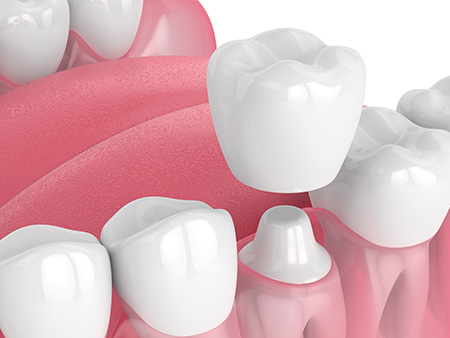
A typical crown procedure involves careful planning, conservative preparation of the tooth, precise impressions or digital scans, and fabrication of the crown using high-quality laboratory or in-office milling systems. We prioritize clear communication so you know each step and the timeline for completion.
In many cases, we use digital scanning to capture the tooth and bite relationships accurately. That information helps the lab or milling unit create a crown that seats precisely and requires minimal adjustments at delivery. Temporary restorations protect the prepared tooth while the final crown is being fabricated.
During placement, we verify fit, color, and bite, making small refinements so the restoration feels comfortable and looks natural. When cemented or bonded in place, a well-made ceramic crown can provide years of reliable service with routine dental care and attention to habits that might place undue stress on the restoration.
Post-treatment, we review at-home care, discuss protective measures for patients who clench or grind, and schedule follow-up checks to monitor the restoration’s integration with surrounding teeth and tissues.

Our office is committed to restorative solutions that honor both function and appearance. We take the time to evaluate each smile holistically—considering how a single restoration will perform within the entire bite and how it contributes to facial balance. This results-driven approach helps us deliver outcomes that are comfortable, durable, and visually pleasing.
Clinical skill, attention to material science, and a focus on patient comfort define the way we work. From conservative preparation techniques to strong partnerships with skilled dental technicians and state-of-the-art in-house technology, our process is designed to produce predictable, long-lasting results.
When a ceramic crown is the recommended treatment, you can expect a plan tailored to your needs and clear guidance at every step. We combine evidence-based practice with an eye for aesthetics so restorations integrate naturally with your smile.
If you’d like to learn more about ceramic crowns and whether they are right for your situation, please contact our office for more information.
While a dental filling is designed to replace a portion of a decayed or damaged tooth, a dental crown offers full coverage to restore the tooth’s entire outer surface. A well-fitting dental crown not only protects and strengthens the underlying tooth structure, but it also restores the tooth’s appearance and function.
The procedure for getting an all-ceramic crown is much like the procedure for getting any other type of crown. In all cases, the tooth needs to be prepared, an impression taken, and a permanent crown cemented into place. A single all-ceramic crown can typically be fabricated over the course of two visits. However, with CAD/CAM technology, a same-day crown can be fabricated from start to finish in a single visit. With the first approach, a temporary crown is typically worn until the second visit, when the permanent restoration is placed. As with every treatment plan, our office will explain your best options in care.
As the name implies, a temporary crown is only worn for a short time until the permanent crown is placed. A temporary crown is typically fabricated from durable tooth-colored dental acrylics. While designed to protect the underlying tooth between appointments, and until your new permanent crown gets placed, a temporary crown is also fabricated to look like a natural tooth and maintain the look of your smile.
While you should feel better having an attractive and functional tooth to restore your smile, your tooth may feel a little sensitive following treatment. This initial sensitivity will subside. We take great care to make sure your new restoration looks great, fits well, and your bite is perfect. However, we’re always happy to make any minor adjustments to ensure your comfort.
With some exceptions, teeth with root canal procedures are typically restored and protected from further damage with a full-coverage crown. Based on what’s best for your smile, our office will recommend the most appropriate restoration to maintain the health and longevity of your tooth following a root canal procedure.
A dental crown is a long-term restoration that, if properly cared for, can serve you well for many years to come. Once your new crown is placed, it requires the same brushing, flossing, and periodic checkups as your natural teeth. Avoid biting your fingernails and chewing on hard or sticky objects such as ice, pencils, or taffy, which can damage or loosen your crown. Remember, clenching and grinding your teeth puts excessive pressure on both natural teeth and dental restorations. Unless treated, this habit can compromise the longevity and integrity of your dental work, including crowns.
Although your new all-ceramic crown restores the tooth's strength, form, and function, you can still develop dental disease in the absence of proper care. To prevent gum disease and tooth decay, it’s essential to brush and floss as instructed and see our office for routine checkups, cleanings, and care.
How long a dental crown lasts depends on various factors, including your level of oral care, diet, and oral habits. While the standard answer is that dental crowns can last anywhere from 5 to 15 years, existing literature confirms that most dental crowns remain in place at 15 to 20 years.
At the office of Erin A. Fontenot, DDS, we strive to provide the highest quality of care to address all your dental needs. Once we’ve had the opportunity to examine your smile, we can give you a clear picture of any dental issues that are present, along with a quote for how much treatment will be. The cost of dental crowns can vary a little, depending on the type of crown and its location. Our goals are to provide the highest quality of care and help patients begin treatment without additional financial stress or delay. We’re always happy to answer all your questions on dental insurance coverage, available financing, and payment plans.
Coverage for all-ceramic crowns depends on your dental insurance plan. Today, many dental plans provide some level of coverage for all-ceramic crowns. At the office of Erin A. Fontenot, DDS, we work with patients to optimize their dental benefits and get the care they need to maintain healthy and beautiful smiles!
Ceramic crowns are full-coverage restorations made from high-strength, tooth-colored ceramic materials that are designed to mimic the appearance and function of natural enamel. Unlike restorations that incorporate a metal substructure, modern all-ceramic crowns rely on advanced glass ceramics or zirconia formulations to provide strength while maintaining translucency. This combination of optical properties and durability makes ceramic crowns especially well-suited for areas of the smile where aesthetics matter.
While some crown types, such as porcelain-fused-to-metal, use a metal core for strength, ceramics offer a metal-free alternative with excellent biocompatibility and resistance to staining. Different ceramic systems balance translucency and toughness in distinct ways, so the clinician selects the material that best matches the tooth’s location and the patient’s functional needs. The result is a restoration that aims to blend seamlessly with surrounding teeth while protecting the underlying tooth structure.
A ceramic crown is generally recommended when a tooth has lost substantial structure such that a filling or partial restoration would not reliably restore form and function. Situations that commonly call for a crown include large or recurrent decay, fractures that compromise cusps, significant wear from grinding, or teeth that have undergone root canal therapy and need reinforcement. Crowns completely cover the tooth, redistributing biting forces and reducing the risk of further breakdown.
The decision depends on the amount of remaining healthy tooth, the tooth’s role in the bite, and aesthetic goals. When conservative options can preserve adequate tooth structure and provide long-term stability, they are considered first; however, when longevity and protection are priorities, a crown is often the most predictable choice. Your dental team will explain the rationale and recommend the least invasive, most durable option for your situation.
Selecting a ceramic material involves evaluating the tooth’s position, the magnitude of occlusal forces it must bear, and the aesthetic requirements of the case. For example, anterior teeth often demand materials with superior translucency and color-matching potential, while posterior teeth may require ceramics with higher fracture resistance. Common options include lithium disilicate for a balance of optics and strength, leucite-reinforced porcelains for refined color control, and various zirconia formulations for high-load areas.
Clinicians also consider occlusion, opposing dentition, and any parafunctional habits such as bruxism when choosing a material. When a restoration must support a bridge or endure heavy chewing forces, a tougher ceramic may be preferred; when subtle shading and translucency are essential, layered or pressable ceramics may be selected. This collaborative decision is made with the patient’s goals and the latest material science in mind.
The crown process typically begins with a comprehensive evaluation and treatment planning, including digital scans or conventional impressions to capture tooth contours and bite relationships. During tooth preparation the clinician removes minimal necessary structure to shape the tooth, then places a temporary restoration while the final crown is fabricated by a lab or milled in-office. Digital workflows often improve fit and reduce adjustments by allowing precise communication between the clinician and the dental technician or milling unit.
At the final appointment the crown is tried in, with checks for fit, occlusion, and color matching, and minor refinements are made as needed before cementation or bonding. The clinician will explain post-placement care and schedule follow-up checks to confirm the restoration’s integration with surrounding tissues. Clear communication at each stage helps ensure a comfortable, predictable result.
The lifespan of a ceramic crown varies with material choice, oral hygiene, bite forces, and individual habits, but many ceramic restorations provide reliable service for a decade or longer when properly maintained. Factors that can shorten longevity include untreated bruxism, poor oral hygiene leading to recurrent decay at margins, trauma, and repeated heavy loading from chewing hard objects. Choosing an appropriate ceramic for the clinical demands and attending regular dental checkups both support long-term success.
Routine preventive care—daily brushing and flossing, periodic professional cleanings, and monitoring for early signs of wear or margin breakdown—helps extend the life of a crown. When parafunctional habits are present, protective strategies such as a nightguard can reduce stress on the restoration. Prompt evaluation of any new sensitivity, looseness, or chipping allows timely repairs or adjustments and helps avoid more extensive treatment later.
Caring for a ceramic crown involves the same basic oral hygiene practices recommended for natural teeth: brush twice daily with a fluoride toothpaste, floss daily, and maintain regular dental checkups and professional cleanings. Pay special attention to the crown margins where plaque can accumulate, and use interdental brushes or floss threaders if needed to clean around adjacent restorations. Avoid using teeth to open packages or to bite very hard substances, which can cause chipping or stress to the restoration.
If you clench or grind your teeth, discuss protective measures with your clinician; a custom nightguard can significantly reduce damaging forces. During follow-up visits the dentist will assess the crown’s fit, contacts, and the health of surrounding gums, addressing any wear or margin concerns early. Consistent home care and professional monitoring are key to preserving both function and aesthetics.
Yes. One of the advantages of all-ceramic crowns is that they are metal-free, which reduces the likelihood of galvanic reactions and allergic responses associated with certain metal alloys. Ceramics are generally well tolerated by oral tissues and do not produce the tarnishing or corrosion seen with some metal-containing restorations. For patients who report sensitivity to metals, ceramic options offer an effective, biocompatible alternative for durable restorations.
Even with metal-free materials, clinicians evaluate soft tissue health, occlusion, and margin design to achieve a stable, irritation-free outcome. If you have a history of specific material sensitivities, share that information during your consultation so the team can select materials and protocols that minimize risk. A careful assessment ensures the selected restoration aligns with both health and aesthetic goals.
Ceramic crowns are commonly used to restore dental implants and to serve as abutments for fixed bridges, though the mechanical demands of those restorative contexts influence material selection and design. Implant-supported crowns may be screw-retained or cemented to an abutment, and the choice of ceramic must account for implant position, esthetic needs, and the forces transmitted through the restoration. For bridges, the connector design and spanning distance affect which ceramics are suitable to ensure adequate fracture resistance.
When planning implant or bridge restorations, clinicians evaluate occlusion, opposing dentition, and parafunctional habits to select a ceramic that balances strength and appearance. Collaboration with experienced dental technicians and precise digital or conventional impressions helps produce predictable, well-fitting implant and bridge restorations. The treatment plan will explain why a particular material and retention method are recommended for long-term success.
Complications can include sensitivity after placement, marginal leakage leading to recurrent decay, chipping or fracture of the ceramic, and loosening or debonding of the crown. Sensitivity often resolves as the tooth adjusts, but persistent pain or biting discomfort warrants prompt evaluation to rule out occlusal issues or underlying endodontic problems. When chipping or minor defects occur, intraoral repairs or remake options are considered based on the extent of damage and material type.
Preventive strategies—proper material selection, conservative preparation, excellent marginal fit, and patient education about protective habits—reduce the likelihood of complications. Regular professional exams allow early detection of margin breakdown or wear so restorative maintenance can be provided before more invasive treatment becomes necessary. Your clinician will discuss potential risks and the available management options as part of informed consent.
If you are considering a ceramic crown, schedule a consultation with the office of Erin A. Fontenot, DDS so a clinician can perform a thorough evaluation of your tooth, bite, and aesthetic goals. During the visit the team will review your medical and dental history, take necessary imaging or scans, and discuss the material and procedural options tailored to your needs. This appointment helps establish a personalized plan that balances conservation of tooth structure with durable, natural-looking results.
The consultation also provides an opportunity to review home care strategies, protective measures for bruxism if present, and a timeline for treatment including temporary restoration needs. Clear communication about expectations and clinical findings ensures you understand the recommended approach and the steps involved in reaching a successful outcome. If you have specific concerns or preferences, bring them to the appointment so the care plan can reflect your priorities.