Immediate Care When Every Minute Matters
Dental emergencies can be disorienting: sudden pain, a knocked-out tooth, or swelling that makes it hard to speak or swallow. In those first moments, the goal is simple and urgent — reduce pain, limit further damage, and get professional attention as soon as possible. Stabilizing the situation at home can make a marked difference, but it is only a first step; definitive treatment often requires clinical assessment and targeted intervention.
When an oral injury or acute problem occurs, quick action helps preserve options. Keeping a dislodged tooth moist, avoiding harsh pressure on a broken tooth, and gently rinsing the mouth after a soft-tissue injury are practical measures that lower the risk of complications. While these steps are helpful, they do not replace timely evaluation by a dental clinician who can determine the appropriate course of care.
Our approach to urgent cases prioritizes safety and comfort from the moment you arrive. We focus on controlling pain and addressing immediate threats to oral health first, which often enables us to plan restorative steps with greater confidence. Prompt, organized care reduces the chance of long-term consequences and helps restore everyday function more quickly.
Recognizing the Types of Dental Emergencies We Manage
Dental emergencies come in many forms, and recognizing them early helps patients get the right care. Severe toothaches often signal underlying infection or decay that requires urgent attention. Traumatic injuries — such as fractured or avulsed (knocked-out) teeth, loosened crowns and fillings, or damage to dentures — also call for prompt evaluation to protect remaining tooth structure and surrounding tissues.
Soft-tissue injuries, like cuts to the lips, cheeks, or tongue, present their own challenges. These injuries can bleed heavily or hide deeper damage, including punctures or foreign bodies. Swelling, persistent bleeding, or signs of spreading infection — such as fever or increasing redness — should be treated as urgent because they can affect overall health as well as oral function.
We also address complications related to erupting wisdom teeth, acute periodontal flare-ups, and suspicious oral lesions that require immediate observation. By categorizing an issue quickly, our team can determine whether same-day treatment, a short-term stabilization, or expedited follow-up is the best next step for each patient.
How We Assess and Triage Urgent Oral Problems
A clear, methodical assessment is the foundation of good emergency care. When you arrive, we begin with a focused history and a targeted clinical exam to establish the source and severity of your symptoms. This helps us prioritize treatment needs — for example, determining whether a case requires infection control, bleeding management, or restorative stabilization right away.
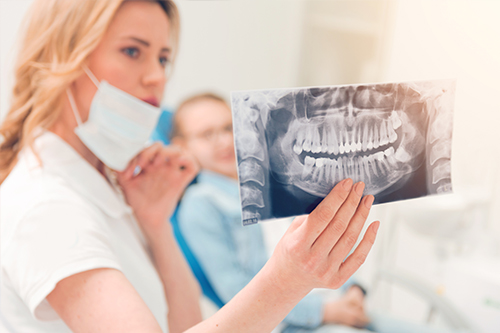
Diagnostic tools such as digital radiographs and intraoral imaging allow us to see beyond what’s visible on the surface and identify root fractures, abscesses, or damaged restorations. These technologies speed diagnosis and reduce guesswork, enabling us to select treatments that address the problem at its source rather than merely masking symptoms.
Our triage also considers systemic risk factors and patient comfort. We coordinate pain relief and infection control as needed, and when sedation or more extensive procedures are required, we create a safe, clear plan tailored to the patient’s overall health and the urgency of the situation. Communication is emphasized at every stage so patients understand both immediate steps and longer-term options.
Immediate Treatments and Restorative Pathways
Short-term interventions often focus on stabilizing the tooth or tissue and relieving pain. For a fractured tooth, this may include smoothing sharp edges, placing a temporary or permanent bonded restoration, or fitting a protective crown. When a root is exposed or the nerve is involved, root canal therapy can remove infection and preserve the tooth’s structure, often avoiding extraction.
Knocked-out teeth (avulsions) have the best chance of long-term survival when replanted quickly under professional guidance. When replantation is not possible or when a tooth must be removed, modern restorative dentistry offers predictable options to restore function and appearance. Dental implants, fixed bridges, and removable prostheses each play a role depending on the patient’s needs and oral condition.
Beyond emergency repair, we balance immediate restorations with durable solutions that protect long-term oral health. Our focus is on preserving natural teeth whenever feasible and providing restorative care that integrates with broader treatment goals—whether that means planning a single definitive restoration or coordinating phased care to restore chewing function and smile aesthetics.
Recovery, Prevention, and Follow-Up Care
After initial treatment, thoughtful aftercare is essential for recovery. Patients are advised on wound care, temporary dietary adjustments, and signs to watch for that might indicate infection or complications. Follow-up visits allow us to monitor healing, remove temporary materials, and transition to final restorative work when appropriate. Consistent follow-up helps ensure the best possible outcome after an urgent episode.
Prevention remains the most effective strategy to reduce future emergencies. Regular dental exams, timely restorative care for small problems, and protective measures — such as custom mouthguards for athletes — lower the chance of sudden injury and limit the progression of decay or gum disease that can lead to acute episodes. Education about safe habits and early reporting of changes in the mouth also empowers patients to act before problems escalate.
We see emergency treatment as part of a continuum that connects urgent care with long-term wellness. By combining immediate clinical response with ongoing preventive strategies, patients benefit from a comprehensive plan that restores comfort and supports lasting oral health. The office of Erin A. Fontenot, DDS emphasizes calm, effective care that helps patients move from crisis to stability with confidence.
In summary, dental emergencies demand prompt, knowledgeable action to relieve pain and protect oral health. Our team blends rapid assessment, modern diagnostics, and practical restorative techniques to manage urgent problems and plan for durable recovery. If you have questions about emergency treatment or need guidance for an oral health concern, please contact us for more information.