913 South College Road, Suite 108, Lafayette, LA 70503


At the office of Erin A. Fontenot, DDS, we focus on the whole child — not just teeth. Pediatric dentistry here is about guiding healthy growth, preventing problems before they start, and helping families build routines that support a lifetime of good oral health. Our team blends evidence-based care with a calm, child-centered approach so children leave the dental chair feeling more confident and families leave with clear, practical guidance.
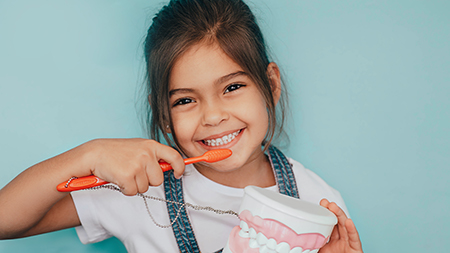
Early visits set the tone for how a child views dental care. We encourage families to begin dental visits around the first birthday or when the first tooth appears, so a child becomes familiar with the office, the chair, and the team. These early appointments are brief and focused on prevention: checking development, answering parent questions, and sharing age-appropriate oral care strategies.
Prevention is the most effective tool in pediatric dentistry. During these visits we teach parents how to clean emerging teeth, when to introduce toothpaste, and how to make toothbrushing both effective and enjoyable. Small, consistent habits formed in the preschool years have outsized benefits as children grow — fewer cavities, less dental anxiety, and healthier permanent teeth.
Comfort and communication matter. Our clinicians use gentle language and step-by-step explanations to help children understand what will happen and why. For families, that means practical tips on nutrition, pacifier use, thumb-sucking guidance, and how to reduce cavity risk without creating fear around dental visits.
Regular dental checkups allow us to monitor teeth, gums, jaw growth, and oral function over time. Each exam includes a thorough visual assessment, discussion of your child’s health history, and a focused cleaning to remove plaque and tartar in places kids may miss. These visits are opportunities to catch small issues early, which often keeps treatment simpler and more comfortable.
When needed, we use modern digital radiographs to evaluate areas not visible to the eye — detecting cavities between teeth, assessing developing permanent teeth, and checking jaw bone health. Digital imaging minimizes radiation exposure and gives us clear information to guide treatment decisions that support healthy growth and alignment.
We place strong emphasis on education during routine visits. Parents and kids receive tailored guidance on brushing technique, flossing timing, and diet choices that support dental health. Our goal is to translate dental science into everyday habits that fit your family’s routine and your child’s developmental stage.
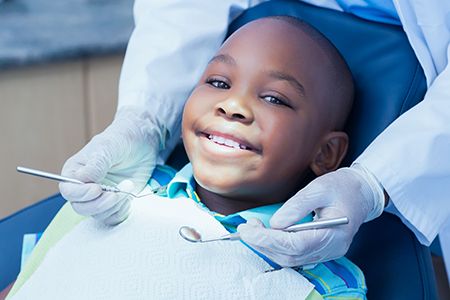
Tooth decay remains a common childhood condition, but it is largely preventable. We focus on a layered prevention strategy that includes effective daily hygiene, fluoride where appropriate, and protective sealants on chewing surfaces once permanent molars emerge. These measures significantly reduce the risk of cavities and preserve healthy tooth structure.
Nutrition plays a major role in oral health. Frequent exposure to sugary drinks and sticky snacks increases the chances for decay — especially when combined with busy family schedules that make consistent brushing a challenge. We work with parents to suggest realistic, sustainable changes that lower cavity risk without turning healthy eating into a battleground.
For active kids, protecting teeth during sports is essential. Properly fitted mouthguards help prevent broken teeth and soft tissue injuries. We’ll advise on the right type of mouthguard for your child’s sport and activity level, balancing comfort and protection so your child is more likely to wear it consistently.
Begin brushing as soon as the first tooth appears and supervise until the child is able to do a thorough job.
Limit sugary drinks and replace them with water; avoid putting a child to bed with a bottle containing milk or juice.
Encourage brushing twice daily with a soft-bristled brush and a smear or pea-sized amount of fluoride toothpaste when age-appropriate.
Discuss pacifier and thumb-sucking habits early; supportive strategies can reduce long-term effects on tooth alignment.
Consider dental sealants on newly erupted permanent molars to block grooves where decay often starts.
Make dental visits predictable and positive — routine check-ins reduce anxiety and help normalize care.

Children’s dental needs change quickly from infancy through adolescence. For infants, our focus is on preventing early childhood caries and helping parents with feeding and cleaning strategies. As teeth erupt and permanent teeth begin to appear, we monitor spacing and alignment and offer interventions when early signs indicate they may be helpful.
Teething can be a trying phase; families appreciate practical, nonpharmacologic soothing techniques such as chilled teething rings, gentle gum massage, and distraction. If parents have concerns about fever, feeding, or extended irritability, we encourage them to call so we can advise on safe approaches and evaluate whether a clinic visit is appropriate.
As children move into adolescence, attention shifts to orthodontic screening, wisdom tooth development, and maintaining oral health through increasing independence. We collaborate with families and orthodontic specialists when needed to plan the right timing for interceptive or full orthodontic care, always keeping overall health and function in mind.
Monitoring facial growth and tooth eruption is a core component of pediatric care. Many orthodontic issues become visible early, and timely evaluation helps us determine whether simple, early measures or referral to a specialist will give the best long-term outcome. We discuss milestones and create a roadmap so families know what to expect as their child’s smile develops.
Good nutrition supports strong teeth and healthy tissues. Calcium, vitamin D, and balanced meals promote enamel strength and overall growth. We help families understand snack choices, meal timing, and hydration practices that protect tooth enamel and support a child’s energy and concentration throughout the day.
Active kids sometimes experience dental injuries or sudden pain. Common urgent issues include chipped or displaced teeth, painful infections, and soft tissue injuries. When a dental emergency occurs, timely professional assessment helps reduce the risk of lasting problems; we provide clear guidance on immediate steps families can take and on when prompt clinical care is required.
Some situations require tailored care plans — for example, children with medical complexities, developmental differences, or severe dental anxiety. We take time to understand each child’s needs and discuss safe options that prioritize comfort, effective treatment, and the child’s emotional well-being. Where necessary, we coordinate with medical providers or specialists to ensure integrated care.
Preventing future emergencies is also part of our work: reinforcing protective habits, advising on appropriate equipment for sports, and recommending preventive restorations when they offer clear benefit. We aim to reduce both the chance and the impact of injuries so children can stay active and healthy.
Our approach is collaborative: we listen to parents’ concerns, explain options in straightforward terms, and set realistic goals that match your child’s stage of development. Education for caregivers is a priority — when parents understand why certain steps matter and how to implement them, children are more likely to follow routines and experience better outcomes.
We also emphasize continuity of care. Tracking progress over time allows us to spot trends and intervene early if a problem starts to emerge. That continuity builds trust: children who visit regularly become comfortable with the environment and clinicians, which makes more advanced care easier if it ever becomes necessary.
Whether you have questions about first teeth, nutrition, orthodontic timing, or protecting a young athlete’s smile, our team is ready to provide clear, practical guidance and reliable clinical care. We’re committed to helping your child enjoy a healthy, confident smile through every stage of growth.
In summary, pediatric dentistry combines prevention, growth monitoring, and family-focused education to keep children’s smiles healthy and resilient. If you would like more information or want to discuss your child’s dental needs, please contact us to learn how we can help.
A pedodontist is a dentist who has received advanced specialty training in meeting the dental needs of children from infancy to adolescence. Pedodontists, also referred to as "pediatric dentists," study child psychology, behavior management, caring for children with special needs, methods of handling oral/facial trauma, and various techniques for providing anesthesia and sedation. Pedodontists also understand the complexities of facial growth and development and have the clinical skills required to meet the dental needs of all children at every stage of development. Most of all, pedodontists are passionate about what they do and enjoy working with children. They strive to make every dental experience a positive one as they help children establish a strong foundation for good oral health.
Even before your child is born, their first set of teeth is already forming. In fact, by one year of age, some of your baby's front teeth will have already come into place. While the arrival of your baby's first teeth is only one of many developmental milestones, it represents an excellent time to begin a program of oral care. According to recommendations from the American Dental Association, babies should see the dentist around the time of their first birthdays.
Your baby's first teeth typically begin to appear in the 6 to 12-month range. While this is an extraordinary milestone, you need to be aware that your baby may find the experience a little bit uncomfortable. Teething can make babies feel irritable. They may be fussy, have trouble sleeping, not want to eat, and drool quite a bit.
Although you are powerless to speed up the process of teething, there are a few things that you can do to soothe your baby as the new teeth are erupting into place. Common approaches to helping your baby feel more comfortable while getting new teeth, include teething rings or a cold spoon or moist gauze rubbed over their gums.
Even for these few new teeth, it's absolutely essential to establish an effective regimen of oral care. For information on when your baby's first set of teeth will erupt into place, consult this timeline from the American Dental Association: Eruption Charts
Some children persist in sucking their thumbs or fingers beyond their preschool years. For these children, the activity continues to be a source of comfort, relaxation, and security. It may even help them fall asleep at night. However, it's essential to be aware that in the long-term, a finger sucking habit is not healthy.
If your child's thumb or finger sucking habit is still present when the permanent teeth begin to come in, your child is at a higher risk of developing a bad bite. By the age of five or six years, you need to constructively and gently help your child stop the habit.
It's also a good idea to have a comprehensive evaluation at this time. Your pedodontist can assess if there are any habit related alterations to the alignment of your child's teeth or jaws, or if it is affecting their speech or swallowing patterns. They can also discuss habit control strategies with you, as well as follow your child's bite and facial development as they grow. If interceptive appliances or corrective orthodontic care are recommended, the timetable and best options in care will be explained in complete detail.
We recommend a child's first dental visit by their first birthday or when the first tooth appears so they can become familiar with the office, the chair and the dental team. Early visits are brief and focus on development, oral risk assessment and practical guidance for caregivers. At the office of Erin A. Fontenot, DDS, these appointments set a positive tone and allow us to answer questions about teething, cleaning and feeding routines.
Starting early helps normalize dental care and makes future visits easier for both child and family. During initial appointments we model gentle cleaning techniques, review milestones and outline a schedule for routine checkups. Parents leave with actionable tips they can use at home to promote healthy habits.
We use a child-centered approach that emphasizes calm communication, predictable steps and age-appropriate explanations so children understand what will happen. Clinicians use gentle language, demonstrations and positive reinforcement to reduce anxiety and build trust during each visit. Small comforts and a relaxed pace help children feel safe while we work.
Parents are encouraged to stay involved so their child receives reassurance from a familiar adult while learning care routines. For children with greater fear we introduce visits gradually and focus on short, successful experiences before advancing to more complex care. Clear expectations and consistent routines often lead to better cooperation and long-term comfort with dental care.
Each routine checkup includes a visual exam of teeth and gums, a review of your child's health history and a focused cleaning to remove plaque where brushing may miss. We assess jaw growth, monitor eruption patterns and check for early signs of decay or developmental concerns. These visits also allow us to identify when further evaluation or preventive treatment may be beneficial.
Education is a core part of the appointment: we demonstrate brushing technique, discuss appropriate timing for flossing and offer diet guidance tailored to your child's stage. Parents receive clear, practical recommendations that match family routines and developmental ability. Follow-up intervals are personalized based on risk and oral health status.
When indicated, we use modern digital radiographs because they provide clear images with very low radiation exposure and help detect cavities between teeth, evaluate developing permanent teeth and assess bone health. X-rays are used selectively and only when the information will change management or improve care. The frequency and type of imaging are determined by age, caries risk and clinical findings.
For safety we use the lowest reasonable exposure settings and protective measures such as shielding as appropriate. Digital systems produce higher-quality images with less dose compared with older techniques. We explain the purpose of any radiographs and answer caregivers' questions about risks and benefits before proceeding.
Prevention relies on a layered approach that combines effective daily hygiene, appropriate fluoride use and protective treatments such as sealants when indicated. Prevention is the most effective tool in pediatric dentistry because it preserves healthy tooth structure and reduces the need for restorative care. Establishing consistent habits early reduces cavity risk and supports long-term oral health.
We assess each child's individual risk and recommend a tailored plan that may include supervised brushing, fluoride varnish and dietary counseling. Regular checkups allow us to reinforce techniques and make adjustments as teeth develop. When preventive restorations are needed, we choose conservative options that protect function and appearance.
Nutrition has a direct impact on dental health because frequent exposure to sugars and acid increases the risk of decay and enamel erosion. Sticky snacks and sugary drinks are particularly problematic when they are consumed between meals or before bedtime without subsequent brushing. Balancing snack timing, promoting water and reducing sugary beverages lowers overall cavity risk.
We work with families to suggest realistic changes that fit busy schedules, such as offering whole fruits, cheese or plain yogurt instead of sticky sweets and encouraging water as the primary drink. Adequate calcium and vitamin D support enamel strength and general development. Simple, consistent choices often yield meaningful improvements in oral health.
Sealants are typically recommended when permanent molars erupt because their deep grooves are vulnerable to decay and sealants provide an effective barrier on chewing surfaces. Fluoride treatments such as varnish or community fluoride may be advised based on age, local water fluoridation and individual cavity risk. The timing of these preventive measures is customized to each child's developmental stage.
Decisions about sealants and topical fluoride follow a clinical assessment and discussion with caregivers about benefits and expectations. We explain how the treatments work, how long protection typically lasts and when reapplication or monitoring is needed. Preventive interventions are part of a broader plan that includes daily home care and routine exams.
Mouthguards are one of the simplest ways to prevent dental injuries during sports and active play, and we recommend them for contact activities where falls or collisions are likely. Custom-fitted mouthguards offer the best combination of protection, comfort and retention, which increases the likelihood a child will wear them consistently. We discuss options ranging from custom appliances to properly fitted store-bought guards based on activity level and preference.
Alongside mouthguards, reinforcing safe play techniques and age-appropriate rules reduces injury risk. If a child does sustain an injury, prompt assessment can limit long-term damage, so families should seek professional evaluation for knocked-out teeth, severe pain or persistent bleeding. Preventive planning helps children stay active while protecting their smiles.
Common pediatric dental emergencies include knocked-out teeth, displaced teeth, severe tooth pain and soft tissue injuries; timely action often improves outcomes. For a knocked-out permanent tooth, it is important to locate the tooth, rinse it gently if dirty and keep it moist while seeking immediate professional care. For severe pain or swelling caregivers should contact the dentist promptly so the cause can be evaluated and treated.
For soft tissue cuts and minor injuries, control bleeding with gentle pressure and a clean cloth and seek care if bleeding does not stop or if there are signs of infection. We provide clear guidance on immediate home steps and when clinical evaluation is necessary to reduce the risk of complications. Knowing basic first-aid steps helps families respond calmly and effectively when accidents occur.
Assessing facial growth, tooth eruption and bite development is a core part of pediatric dental care because many orthodontic concerns become apparent early. We monitor milestones and review growth patterns at routine visits so that potential issues can be identified before they progress. When early signs suggest interceptive treatment may help, we discuss options and, if appropriate, coordinate care with orthodontic specialists.
Our team at the office of Erin A. Fontenot, DDS works with families to create a clear roadmap for timing and goals, balancing the benefits of early intervention against natural growth. Continuity of care allows us to adjust recommendations as a child matures and to refer for specialist care when that offers the best long-term outcome. Clear communication and regular monitoring help families make informed decisions about orthodontic timing.